

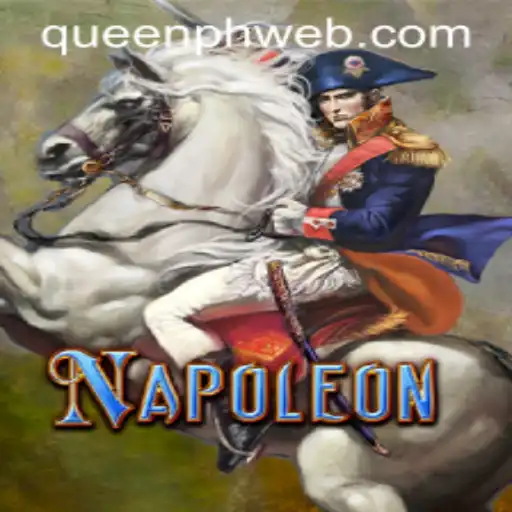
Dive into the world of Napoleon, a captivating trick-taking card game influenced by historical strategies.
Introduction to the Captivating Game of Napoleon
The game of Napoleon, also known as Napoleon at St Helena, is a strategic trick-taking card game that carries a rich historical context, taking its name from the famous French leader and strategist Napoleon Bonaparte. The depth of the game aligns with the tactics that would have been involved in military strategies during Napoleon's era. The game has been associated with various adaptations and can be enjoyed by players seeking both entertainment and intellectual challenge.
Historical Background
The game is said to have been popularized following the Napoleonic Wars, reflecting the fascination with Napoleon Bonaparte's military prowess and political influence. Over the years, it has maintained its popularity thanks to its engaging structure that combines chance, skill, and strategy. The game can be enjoyed in various renditions worldwide, each adapting to local player preferences and cultural nuances.
Objective of the Game
The primary objective in Napoleon is for players to win a majority of tricks during the game. A trick is essentially a round of play where each participant contributes one card, and the highest-ranking card typically wins. However, what sets Napoleon apart is the bidding phase, where players have the opportunity to bet on the number of tricks they estimate they can take. Success in this phase heavily influences the game's outcome, making strategic foresight crucial.
Rules and Gameplay
Napoleon is usually played with a standard deck of 52 cards. The ranks are typically from the Ace as the highest down to the Two as the lowest, but this can vary based on different house rules. The game is ideally played with three to five participants; however, in some variations, it can accommodate more.
Starting the Game
At the beginning of each round, players engage in a bidding process to declare the number of tricks they aim to win. The player who bids the highest becomes the declarer or the “Napoleon” for that round. It's crucial for players to be strategic during this phase, assessing their hand and predicting others’ capabilities.
Leading and Following Suit
Once the bidding phase concludes, the declarer leads the first trick with any card from their hand. Other players must follow suit if they can. If they cannot, they may play any card, potentially using this opportunity to take the trick with a trump card.
Use of Trump Suits
Before the game commences, one suit is selected as the trump suit, which has the power to beat any card of other suits. Players must use trumps judiciously, as they can drastically alter the trick outcomes.
Winning the Game
The player who wins the specified number of tricks, as per their bid, receives points or other game-specific rewards. On the other hand, failing to meet the declared bid results in penalties, providing a balanced risk-reward scenario. This delicate balance is what makes Napoleon a captivating and enduring game.
Impact of Napoleon in Modern Times
Even in contemporary culture, Napoleon continues to hold appeal, partly due to its rich historical connections and partly due to the strategic depth it offers players. With an increasing interest in board games and card games over the past few years, especially amidst global events such as the pandemic, more people have turned to strategic games like Napoleon for social interaction and mental stimulation. Websites and gaming platforms have even started offering digital versions of Napoleon, making it accessible to a broader audience.
The dynamics of online gaming communities add an exciting dimension with forums and platforms like QUEEN.PH offering spaces for players to exchange strategies, tips, and tales of memorable games, recreating the communal essence that many cherish about card games.
In conclusion, Napoleon is more than just a card game. It is a blend of history, strategy, and modern enthusiasm that has enabled it to stand the test of time. Its adaptability to both physical and digital formats highlights its unparalleled appeal, offering a timeless experience that continues to intrigue new generations of players.



0 Comments